Discover the Historic Port of Alexandria in 2025

Discover the Historic Port of Alexandria in 2025

The Port of Alexandria is a fascinating destination for visitors. Originally located in Egypt, it boasts a long history dating back to antiquity.

In this article, we explore the Port of Alexandria in Germany in 2025, examining its history, architecture, and cultural significance. Beyond its economic importance, the port is also a popular travel destination.

the Historic Port of Alexandria

The History of the Port of Alexandria

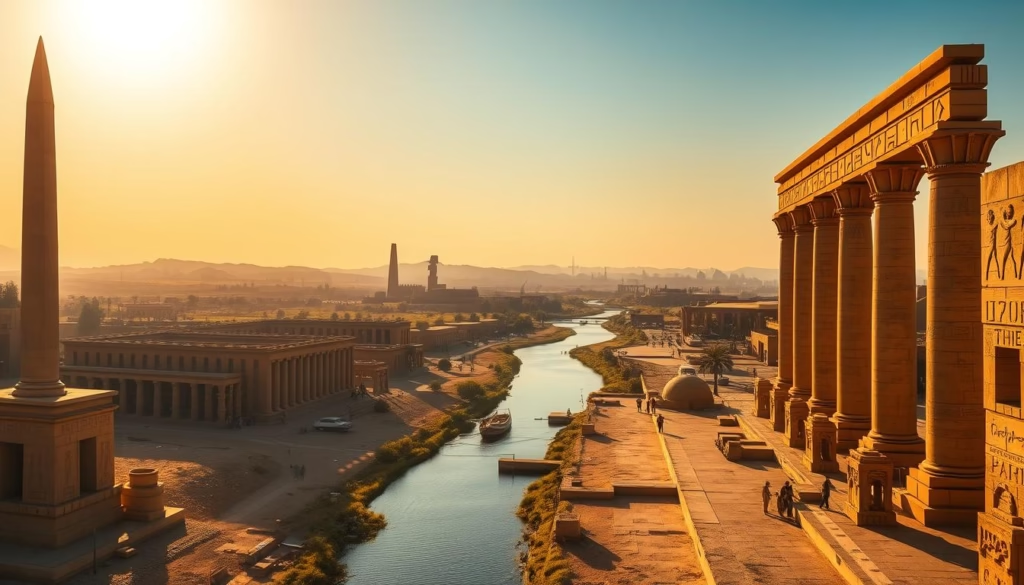
The Port of Alexandria is a vital part of Egypt’s history, playing a significant role in the country’s development. Numerous cultures have left their mark here.

Founded in the 4th century BCE, the port thrived when Alexandria was a powerful city. It served as a key hub for trade and culture.

Over time, the port witnessed many historic events. It facilitated global trade and welcomed renowned figures, becoming a symbol of the city’s diversity and prosperity.

The Port’s Significance for Alexandria

The port was instrumental in Alexandria’s growth, serving as a center for commerce and cultural exchange. Goods from around the world were traded here, and ideas flourished alongside them.

It was also a cultural beacon, inspiring artists, scholars, and travelers. Today, it remains a testament to Egypt’s rich heritage.

Architectural Highlights of the Port Complex

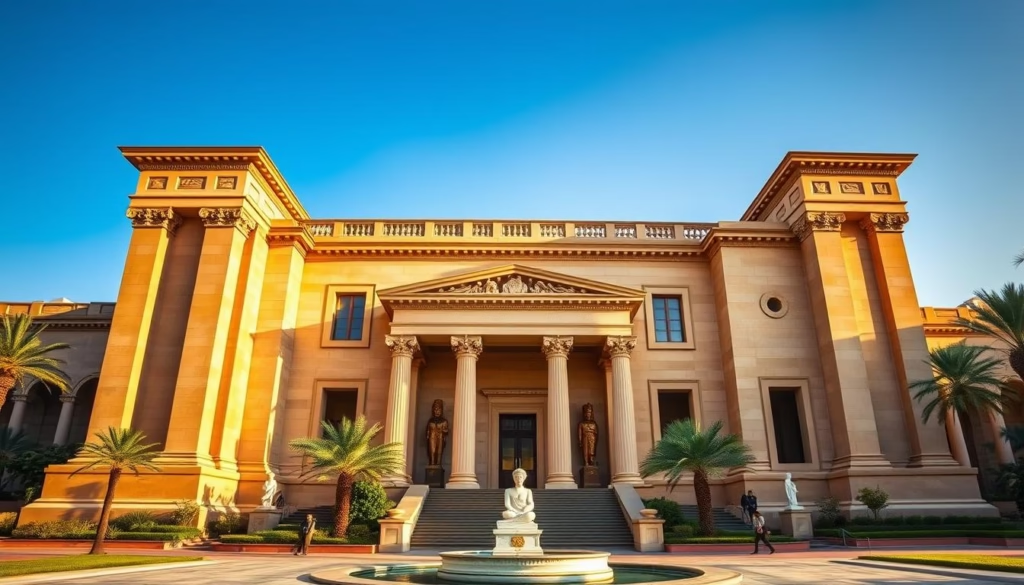
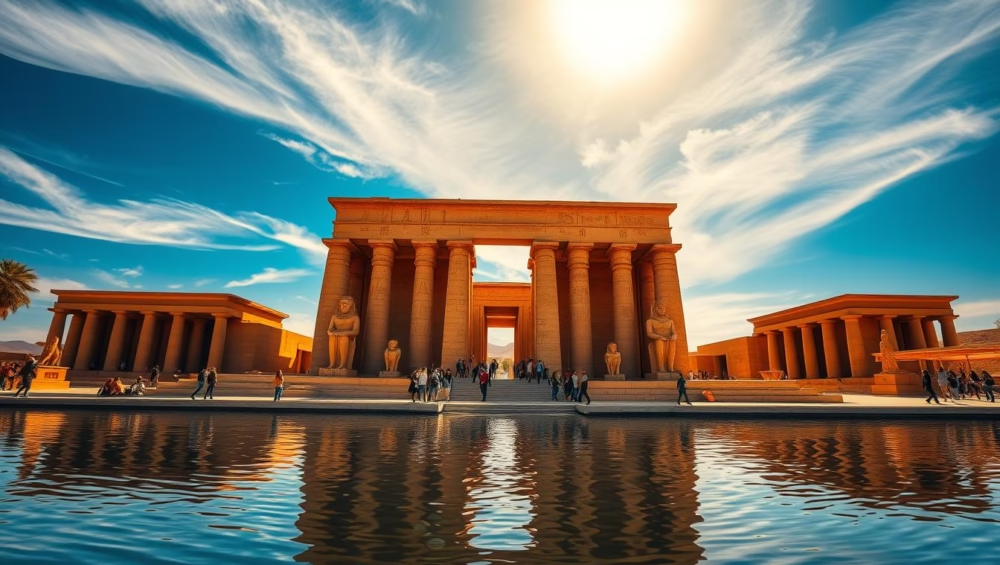
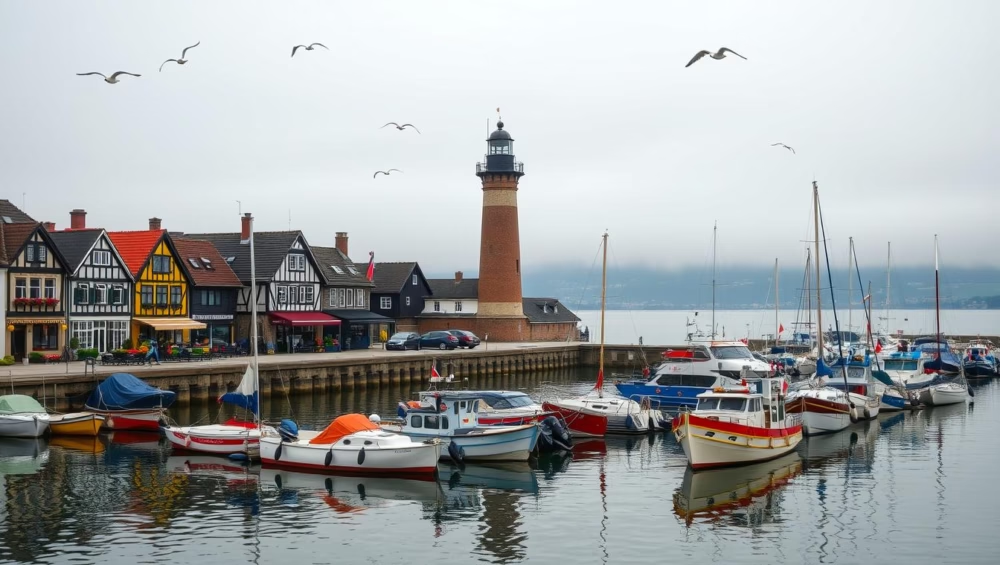
The Port of Alexandria impresses with its blend of modern and historic architecture. It exemplifies how tradition and innovation can coexist harmoniously.

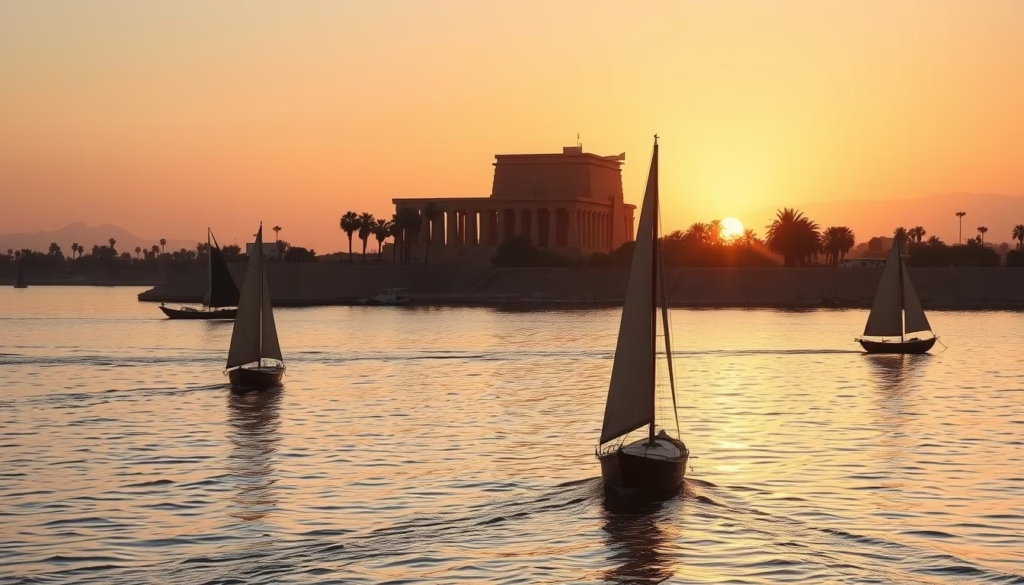
As both an economic and tourist asset, the port offers a range of activities—from boat tours to water sports—all set against a striking architectural backdrop.
the Historic Port of Alexandria

The Modern Port of Alexandria Today

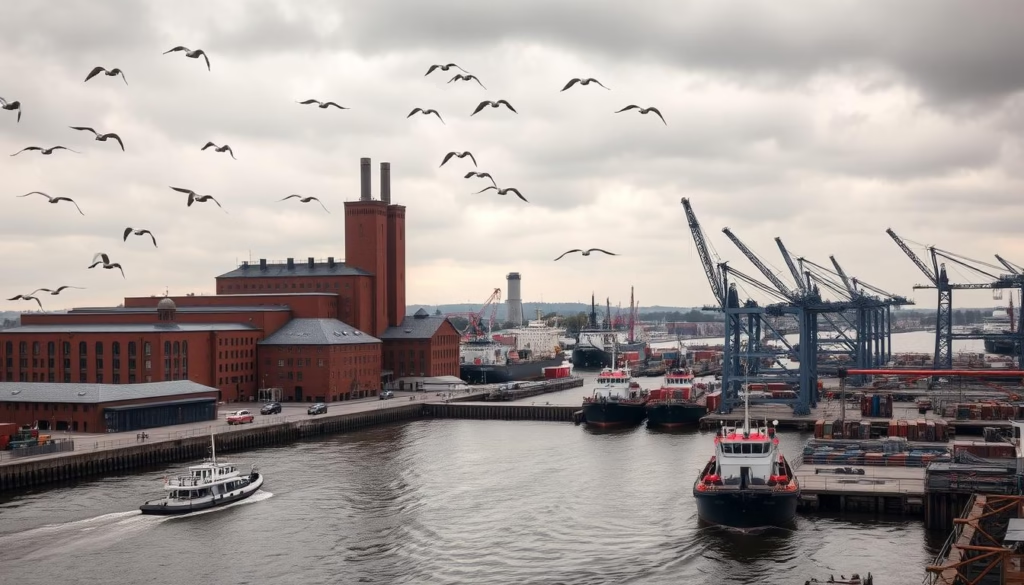
The port city of Alexandria is a key player in Germany’s economy and a sought-after tourist destination. It provides essential services for ships and crews while driving international trade.

Current Infrastructure

The port features modern, efficient facilities designed to meet maritime needs.

Economic Impact

A vital economic engine, the port creates jobs and attracts businesses and investors.
the Historic Port of Alexandria

Attractions Near the Port

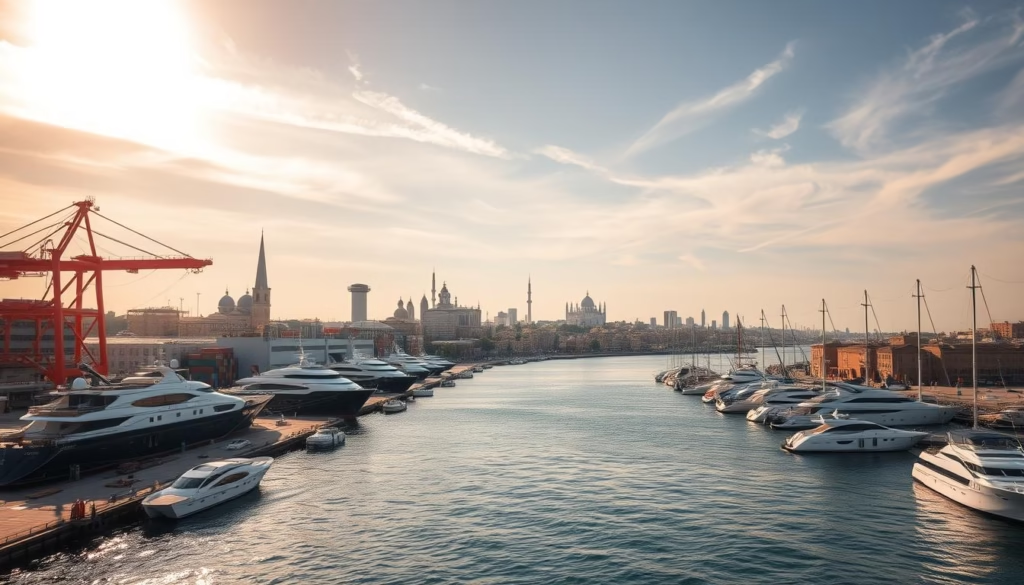
The area surrounding the port is rich in landmarks, from ancient structures to contemporary museums. Popular sites include the historic dockyards, the modern terminal, and the Maritime and Port History Museum.

These attractions boost local tourism and enhance Alexandria’s global profile, offering visitors a mix of history and modernity.

Maritime Activities and Attractions

The port is packed with maritime experiences, including boat tours, harbor cruises, and water sports like sailing, surfing, and diving—perfect for sea enthusiasts.

Cultural Importance

The Port of Alexandria is deeply woven into Germany’s history, symbolizing the nation’s cultural identity. Guided tours offer insights into its past and present, making it a must-visit for history buffs.

the Historic Port of Alexandria

Practical Visitor Information

To make the most of your trip, check opening hours and ticket prices in advance. Guided tours are highly recommended for a deeper understanding of the port’s legacy.

Best Times to Visit

Timing depends on your interests, but early research ensures an optimal experience.

Dining and Shopping

The port area offers diverse culinary options, from traditional eateries to modern cafés. Shopping ranges from Egyptian souvenirs to contemporary fashion, creating a vibrant atmosphere for tourists and locals alike.

Transportation and Parking

Easily accessible by public transit (buses and trains), the port also provides secure parking for drivers.

Sustainability Efforts

Committed to environmental protection, the port employs eco-friendly technologies to minimize its ecological footprint, setting an example for sustainable practices in the region.

Future Development Projects

Planned upgrades aim to modernize the port, expanding its facilities and enhancing its appeal to tourists and businesses. New attractions and improved infrastructure will further solidify its role in trade and tourism.

Events and Activities

The port hosts concerts, exhibitions, and guided tours, offering immersive ways to explore its heritage and cultural impact.

Conclusion

The Port of Alexandria is a captivating historical gem, blending ancient legacy with modern vitality. Its well-preserved infrastructure, global trade connections, and cultural events draw visitors worldwide, making it a dynamic and unforgettable destination.

FAQ

How can I best explore the Port of Alexandria in Germany in 2025?
Opt for harbor cruises or museum visits to delve into its history and culture.

What architectural features define the port complex?
A mix of historic and modern structures, showcasing its evolution and functionality.

What role does the port play in Germany’s economy today?
It’s a critical trade hub and tourist hotspot, supporting international commerce and local employment.

What maritime activities are available?
Boat tours, water sports, and cultural explorations cater to diverse interests.

What should visitors know before going?
Check opening hours, ticket options, and tour availability to plan efficiently.

What future developments are planned?
Modernization projects will enhance infrastructure and tourist offerings, boosting its economic and cultural appeal.


Experience Nature on a Safari Adventure

Egypt 2025: Experience Nature on a Safari Adventure

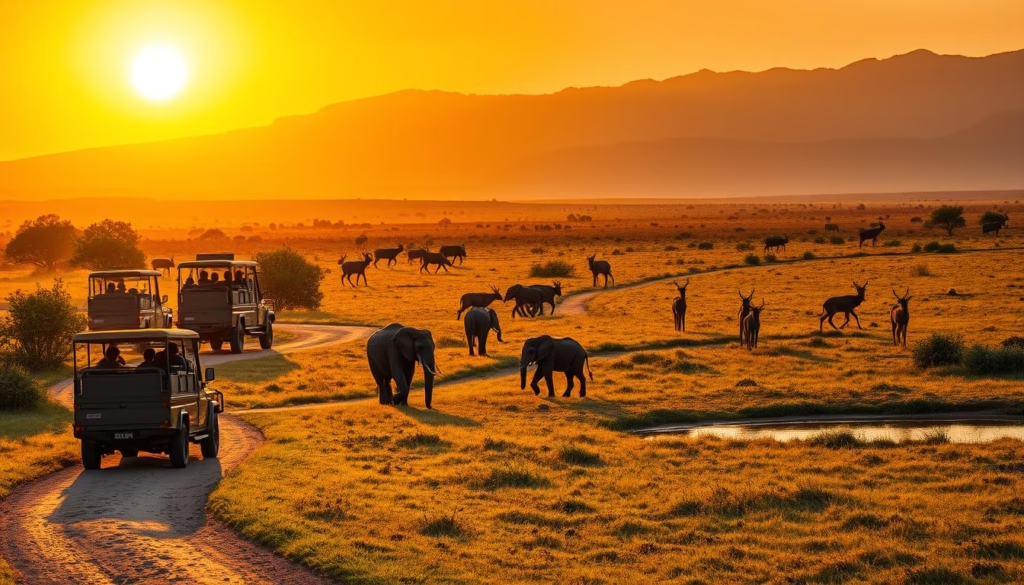
A safari in Egypt offers a unique adventure unlike anywhere else in the world. With our expert guides and in-depth knowledge, we provide unforgettable experiences where you can observe wildlife in their natural habitat.

Our safaris allow you to explore Egypt’s diverse flora and fauna. Led by experienced guides, you’ll uncover the secrets of the desert – a perfect adventure for nature lovers.

Experience Nature on a Safari Adventure

The Unique World of Egyptian Safaris

An Egyptian safari is a one-of-a-kind experience. Our guided tours through Egypt’s stunning landscapes combine natural wonders with rich cultural encounters.

Essential Safari Gear:

  • Comfortable desert-appropriate clothing and footwear
  • Protective accessories for the harsh environment
  • Expert guidance through Egypt’s unique ecosystems

History of Egyptian Safaris

Dating back to ancient times when Egyptians traversed the desert and hunted local wildlife, today’s safaris let you experience Egypt’s breathtaking landscapes and cultural heritage.

Experience Nature on a Safari Adventure

Distinct from African Safaris

Unlike traditional African safaris in forests and savannas, Egyptian safaris showcase the desert’s unique ecosystem and wildlife.

Desert Safari Highlights

  • Exclusive access to remote desert locations
  • Opportunities to observe rare desert species
  • Cultural immersion in ancient landscapes

Best Times for Safari

  • Spring (March-May): Ideal temperatures for exploration
  • Autumn (September-November): Perfect for cultural experiences
  • Winter (December-February): Pleasant conditions for relaxation

Essential Safari Equipment

  • Sun protection and hydration supplies
  • First-aid kit
  • Quality camera gear for wildlife photography
  • Comfortable desert lodges for authentic overnight stays
  • Light-colored, breathable fabrics for daytime
  • Warm layers for cold nights
  • Sturdy footwear and sun hats
  • High-quality camera equipment
  1. Western Desert Route: White Desert’s surreal formations and Siwa Oasis
  2. Sinai Peninsula Tour: Colored Canyon and coastal ecosystems
  3. Oasis Safari Route: Cultural and natural wonders of Egypt’s oases

Wildlife Encounters

  • Desert foxes and rare bird species
  • Unique desert flora adaptations
  • Expert-guided wildlife observation

Safari Accommodations

  • Luxury desert lodges
  • Authentic Bedouin camps
  • Eco-friendly desert retreats

Desert Photography Tips

  • Use appropriate lenses for wildlife shots
  • Respect animal habitats
  • Capture stunning desert light at golden hours

Cultural Experiences

  • Bedouin traditions and hospitality
  • Local community interactions
  • Ancient desert heritage sites

Combining Safaris with Classic Tours

  • Seamless integration with historical site visits
  • Comprehensive cultural and natural experiences
  • Customized itinerary options

Sustainable Safari Tourism

  • Environmentally conscious operations
  • Support for local communities
  • Low-impact travel practices

Health & Safety

  • Comprehensive safety briefings
  • Emergency preparedness
  • Climate-appropriate health measures

Booking Information

  • Various price points available
  • Multiple booking channels
  • Customizable package options

Why Choose an Egyptian Safari?

Experience Egypt beyond the pyramids with:

  • Unparalleled desert landscapes
  • Authentic cultural encounters
  • Expert-guided adventures
  • Sustainable travel options

FAQ
What makes Egyptian safaris unique?
They combine desert ecosystems with ancient cultural heritage unlike any African safari.

When is the best time for a desert safari?
October-April offers ideal temperatures for exploration.

What photography equipment is recommended?
Bring a DSLR with telephoto lens and protective gear for desert conditions.

How do we ensure sustainable practices?
We partner with eco-conscious lodges and local communities to minimize environmental impact.

What safety measures are in place?
All tours include emergency support, medical kits, and expert desert guides.

Safaga

Safaga: Your Gateway to Paradise on Egypt’s Red Sea in 2025

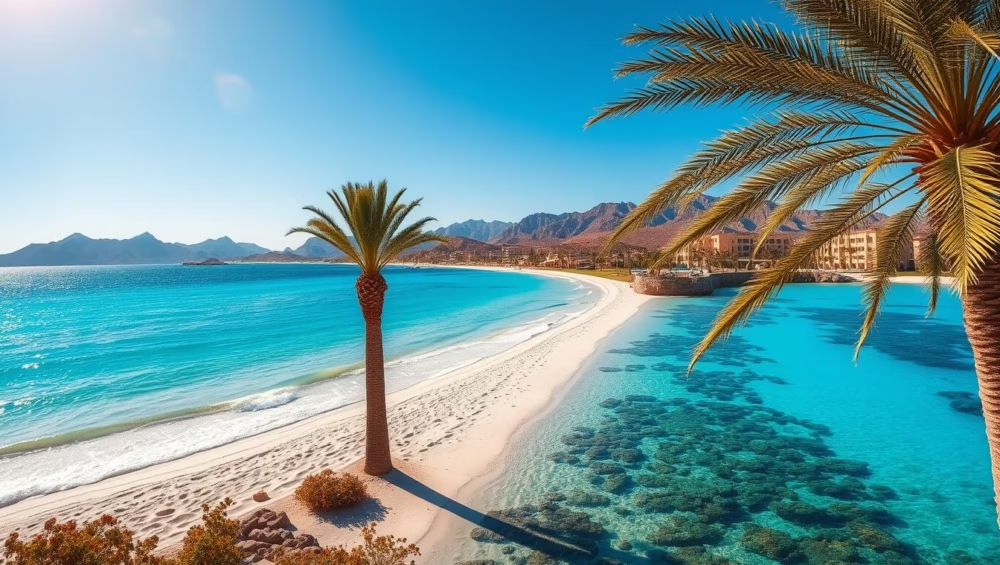
Discover Safaga, a stunning resort town on Egypt’s Red Sea coast, renowned for its breathtaking beaches, crystal-clear waters, and fascinating history. In 2025, this destination offers German travelers the perfect blend of relaxation, adventure, and culture.

Safaga Red Sea
Safaga Red Sea

Welcome to Safaga: The Red Sea Gem

Once a small fishing village, Safaga has transformed into a captivating port city that combines ancient heritage with modern tourism. Its history as a significant trade hub in antiquity can still be felt while wandering through its narrow alleys and vibrant markets.

Top Attractions

  1. World-Class Beaches
    • Pristine shores with therapeutic black sand
    • Top spots: Safaga Beach, Soma Bay, Sharm El-Naga
    • Ideal for swimming, sunbathing, and water sports
  2. Diving & Snorkeling Paradise
    • Vibrant coral reefs teeming with marine life
    • Popular dive sites: Panorama Reef, Abu Kafan
    • Dive centers catering to all skill levels
  3. Cultural & Historical Sites
    • Ancient ruins of Myos Hormos (Roman port)
    • Traditional markets and modern art galleries
    • Desert excursions to historic landmarks
Safaga Red Sea
Safaga Red Sea

Climate & Best Time to Visit

  • Winter (Dec-Feb): Mild 20-25°C – perfect for exploration
  • Summer (Jun-Aug): Hot 30-35°C – ideal for beach lovers
  • Best Seasons: September-November & March-May for perfect weather

Getting There

  • Nearest airport: Hurghada (50km north)
  • Well-connected by road network
  • Cruise ships frequently dock at Safaga Port
Safaga Red Sea
Safaga Red Sea

Where to Stay

  • Luxury: Sunrise Royal Makadi Resort, Sheraton Soma Bay
  • Mid-range: Menaville Resort, Iberotel Coraya Beach
  • Budget: Safaga Hotel, Red Sea Hotel

Activities & Experiences

✔ Scuba diving & snorkeling
✔ Kitesurfing & windsurfing
✔ Desert quad biking & camel rides
✔ Spa treatments with black sand therapy
✔ Day trips to Luxor’s ancient sites

Safaga Red Sea
Safaga Red Sea

Why Visit in 2025?

  • New marina and waterfront developments
  • Less crowded than Hurghada or Sharm El-Sheikh
  • Authentic Egyptian coastal experience
  • Excellent value for money

FAQ
Where is Safaga located?
50km south of Hurghada on Egypt’s Red Sea coast.

What makes Safaga special?
Therapeutic black sand beaches, world-class diving, and rich history.

Is Safaga good for families?
Yes, with calm beaches and all-inclusive resorts.

How’s the marine life?
Expect sea turtles, rays, colorful fish, and pristine coral reefs.

Any cultural sites nearby?
Visit the ancient Roman port ruins or take a day trip to Luxor.

Marsa Alam

Marsa Alam: Your Dream Vacation by the Red Sea in 2025

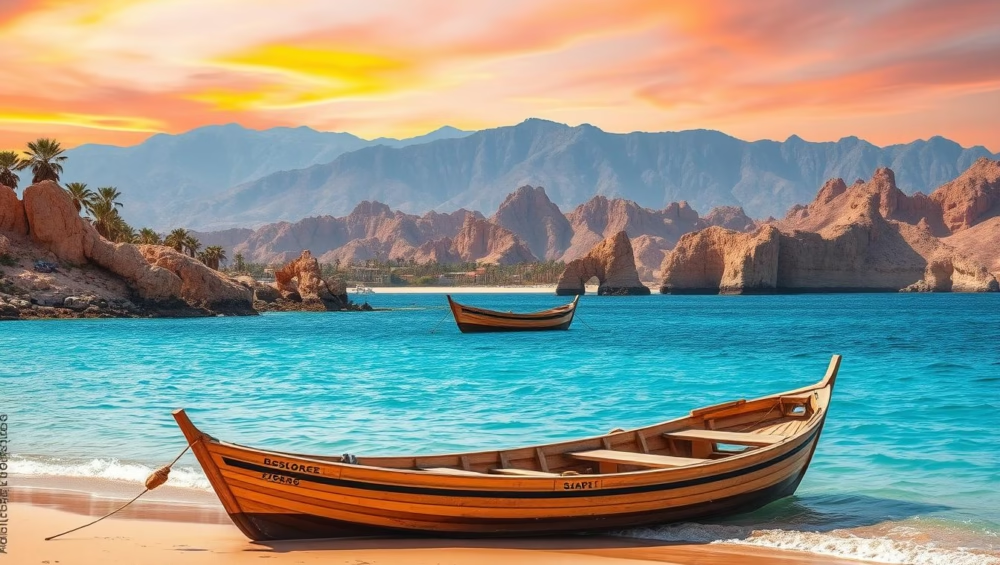
Welcome to Marsa Alam, one of the most beautiful destinations on Egypt’s Red Sea. Here, you’ll find countless ways to make your vacation unforgettable—whether relaxing on pristine beaches or diving into thrilling adventures like scuba diving and snorkeling in the Red Sea.

Egypt is renowned for its rich history and culture, and Marsa Alam perfectly blends tradition with modernity. The Red Sea’s breathtaking underwater world makes it an ideal destination for adventure seekers.

Welcome to Marsa Alam – A Red Sea Paradise
Marsa Alam is a stunning coastal town known for its dazzling beaches and vibrant marine life. Whether you seek relaxation or adventure, this destination has it all.

Accommodation Options

A wide range of hotels and resorts caters to every taste and budget—from luxurious 5-star properties to cozy guesthouses. Marsa Alam offers the perfect home away from home.

Marsa Alam
Marsa Alam

Diving & Snorkeling in the Red Sea

Marsa Alam is a diver’s and snorkeler’s paradise, boasting colorful coral reefs and diverse marine species. Both beginners and experienced divers will find exceptional sites to explore. The Red Sea’s crystal-clear waters provide unforgettable encounters with dolphins, turtles, and exotic fish.

Fascinating Underwater World

The Red Sea’s unique marine ecosystem features thriving coral reefs and abundant sea life. Don’t miss the chance to swim alongside dolphins or observe sea turtles in their natural habitat.

Top Beaches in Marsa Alam

Marsa Alam’s beaches are postcard-perfect, with soft sands and turquoise waters. Highlights include:

  • Abu Dabbab Beach (famous for dugongs)
  • Sharm El Luli (secluded and pristine)
  • Marsa Mubarak (ideal for snorkeling)

Excursions & Activities

Beyond the sea, enjoy:

  • Desert safaris & camel rides
  • Visits to traditional Bedouin villages
  • Cultural and historical explorations
Marsa Alam
Marsa Alam

Culinary Experiences

Savor authentic Egyptian cuisine—like koshari, falafel, and shawarma—or indulge in international dishes at local restaurants.

Best Time to Visit

The ideal travel period is October to May, offering warm, sunny weather perfect for beach activities and diving.

Marsa Alam
Marsa Alam

Travel & Transportation

Marsa Alam is easily accessible via direct flights from major European cities. Transfers from the airport to hotels are seamless.

Safety & Health

Medical facilities are available, but travel insurance is recommended. Keep emergency numbers handy for peace of mind.

Budget Planning

Costs vary by season and preferences. Early research helps optimize spending—consider package deals or public transport for savings.

Marsa Alam
Marsa Alam

Sustainable Travel

Support eco-friendly tourism by respecting marine life, reducing plastic use, and choosing responsible tour operators.

Conclusion

Marsa Alam is a hidden gem on the Red Sea, offering a mix of relaxation and adventure. With stunning beaches, world-class diving, and warm hospitality, it’s the perfect escape. Plan your trip today for an unforgettable experience!


FAQ

1. Where is Marsa Alam, and what can I expect?
Located on Egypt’s Red Sea coast, Marsa Alam offers diving, snorkeling, and breathtaking beaches amid a desert-mountain backdrop.

2. What are the best beaches?
Top picks: Abu Dabbab Beach, Sharm El Luli, and Marsa Mubarak—all with crystal-clear waters.

3. What marine life can I see?
Expect vibrant coral reefs, dolphins, turtles, and exotic fish.

4. What activities are available?
Diving, snorkeling, desert safaris, camel rides, and Bedouin village tours.

5. When is the best time to visit?
October to May for ideal weather.

6. How do I get there?
Direct flights from Europe; easy transfers to hotels.

7. Is it safe?
Yes, but travel insurance is advised.

8. How to travel sustainably?
Choose eco-friendly tours and minimize environmental impact.

Aswan: A Journey into Egypt's Past - 2025

Aswan: A Journey into Egypt’s Past – 2025

Aswan, a historic city along the Nile in southern Egypt, has been a vital cultural and commercial hub since antiquity. Known for its granite quarries that supplied stone for Egypt’s grandest monuments, Aswan offers a unique blend of archaeological wonders, Nubian heritage, and breathtaking river landscapes.

Historical Significance

  • Ancient Trade & Quarries: Aswan was a key center for trade and granite extraction, providing materials for temples and obelisks.
  • Strategic Nile Location: Its position made it a crucial border post, controlling trade routes between Egypt and Nubia.
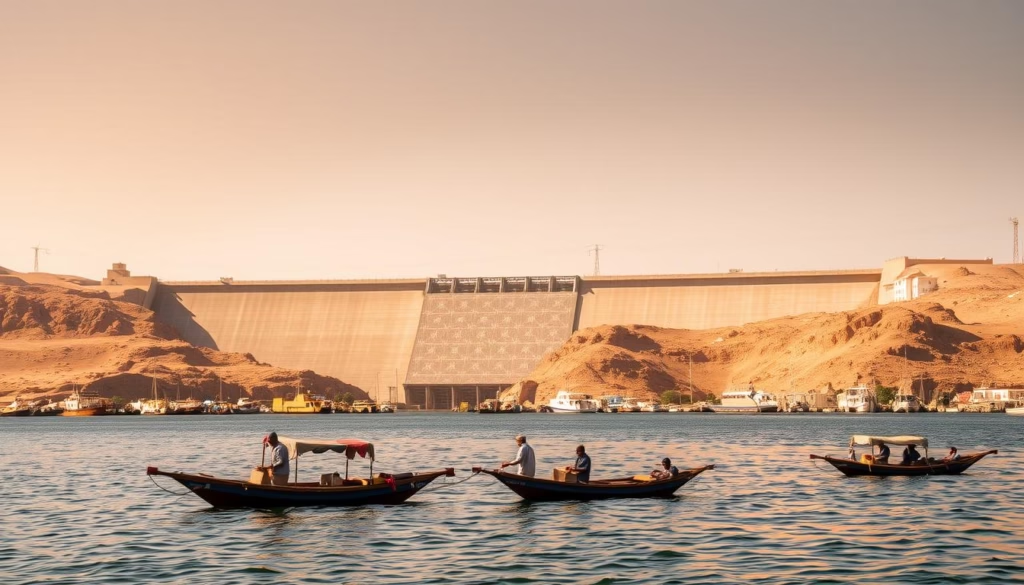
  • Modern Landmark: The Aswan High Dam (1960s) transformed the region, creating Lake Nasser and securing Egypt’s water and energy supply.

Key Attractions

  1. Philae Temple: A stunning island complex dedicated to Isis, relocated to save it from flooding.
  2. Unfinished Obelisk: A testament to ancient stone-carving techniques, abandoned due to cracks.
  3. Elephantine Island: Home to ancient ruins, a Nilometer, and the Aswan Museum.
  4. Nubian Villages: Vibrant communities offering insights into traditional culture and crafts.
  5. Aswan High Dam & Lake Nasser: Engineering marvels with ecological and historical impacts.
Aswan: A Journey into Egypt's Past - 2025
Aswan: A Journey into Egypt’s Past – 2025

Nile Experiences

  • Felucca Rides: Sail traditional wooden boats at sunset.
  • Luxury Cruises: Explore temples like Kom Ombo and Edfu en route to Luxor.

Climate & Travel Tips

  • Best Time to Visit: October–April (mild temperatures, ideal for exploration).
  • Summer Caution: May–September brings extreme heat (over 40°C/104°F).
Aswan: A Journey into Egypt's Past
Aswan: A Journey into Egypt’s Past

Cultural Highlights

  • Nubian Traditions: Discover colorful villages, handicrafts, and folk music.
  • Local Cuisine: Try Nile perch, koshari, and hibiscus tea.
Aswan: A Journey into Egypt's Past
Aswan: A Journey into Egypt’s Past

Practical Information

  • Accommodations: Range from budget guesthouses to luxury resorts (e.g., Sofitel Legend Old Cataract).
  • Transport: Taxis, trains, and Nile ferries connect key sites.
  • Responsible Tourism: Support eco-friendly tours and respect cultural heritage.
Aswan: A Journey into Egypt's Past
Aswan: A Journey into Egypt’s Past

FAQ

Q: Why is Aswan historically significant?
A: It was a trade hub, granite source, and strategic border post linking Egypt and Nubia.

Q: What’s unique about Elephantine Island?
A: Ancient ruins, a Nilometer (water-level gauge), and Nubian culture.

Q: How did the Aswan High Dam change the region?
A: It created Lake Nasser, provided electricity/irrigation, but displaced communities and altered ecosystems.

Q: Best way to experience the Nile?
A: Felucca rides or multi-day cruises to temples.

Q: When to avoid crowds and heat?
A: Visit November–February; avoid June–August peak heat.

Cairo Experience Egypt's Capital

Cairo: Experience Egypt’s Capital in 2025

Cairo, a city of contrasts where ancient history meets modern architecture, promises unforgettable experiences. From the awe-inspiring Pyramids of Giza to the winding alleys of Islamic Cairo, Egypt’s capital offers something for everyone—cultural landmarks, vibrant markets, and contemporary urban life.

Cairo: Experience Egypt's Capital
Cairo: Experience Egypt’s Capital

First Impressions of the Metropolis

Cairo dazzles with its blend of tradition and modernity. Explore diverse neighborhoods, from luxury districts to bustling bazaars, and discover the perfect accommodations, whether in historic areas or modern hubs.

The City’s Pulse

Cairo thrives with energy. Its neighborhoods—each unique—offer endless discoveries, from lively markets to upscale residential zones, showcasing the city’s dynamic spirit.

Cairo: Experience Egypt's Capital
Cairo: Experience Egypt’s Capital

Between Modernity and Tradition

Cairo balances old and new. Traditional architecture stands alongside sleek high-rises, reflecting Egypt’s layered history and evolving identity.

A Glimpse into Cairo’s History

With roots stretching back to antiquity, Cairo has been shaped by pharaohs, Fatimid caliphs, and Ottoman rulers. Founded in the 10th century, it became a crossroads of trade, culture, and religion. Landmarks like the Al-Azhar Mosque (a center of Islamic learning) and Coptic churches highlight its rich heritage.

Iconic Landmarks

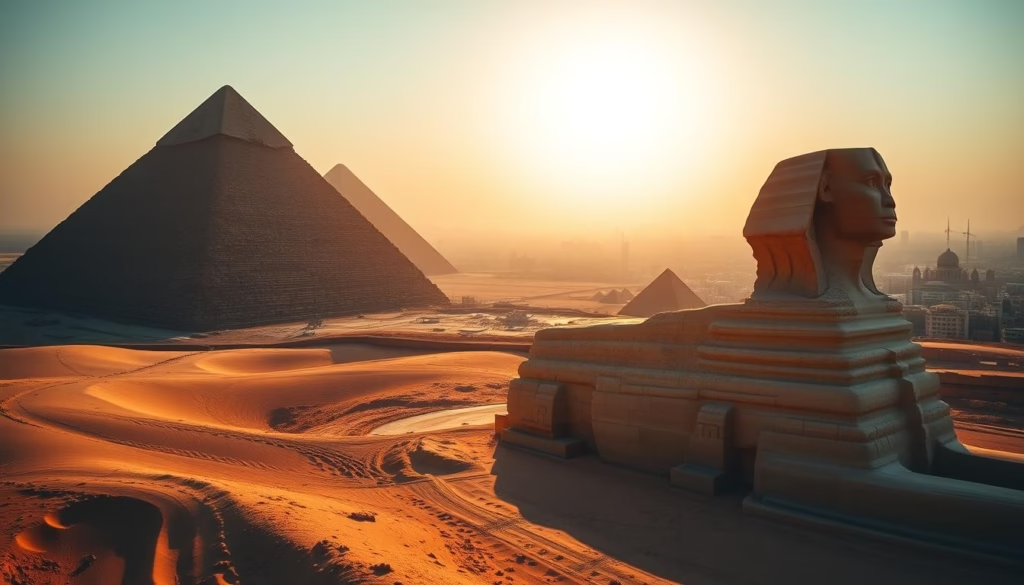
  1. The Pyramids of Giza:
    • Marvel at the Great Pyramid of Cheops, a wonder of the ancient world.
    • Tips: Visit early morning or late afternoon to avoid crowds and heat.
  2. The Egyptian Museum:
    • Home to over 120,000 artifacts, including Tutankhamun’s treasures.
  3. Islamic Cairo:
    • Explore the Khan el-Khalili bazaar and historic mosques.
  4. Coptic Cairo:
    • Discover ancient churches like the Hanging Church (El Muallaqa).
Cairo: Experience Egypt's Capital
Cairo: Experience Egypt’s Capital

Culinary Adventures

Savor Cairo’s flavors:

  • Koshari: A hearty mix of pasta, lentils, and spices.
  • Ful Medames: Slow-cooked fava beans, a breakfast staple.
  • Shawarma: Spiced meat wrapped in fresh bread.
  • Top Spots: Café Riche, Abou El Sid, and Café Groppi.

Where to Stay

  • Luxury: Nile-view hotels with pools and spas.
  • Budget: Cozy hostels and guesthouses in central areas.

Getting Around

  • Metro: Fast and affordable.
  • Taxis/Rideshares: Convenient for direct routes.
  • Tuk-tuks: Fun for short trips.

Best Time to Visit

  • October–April: Mild weather (20–25°C / 68–77°F).
  • Avoid June–August: Scorching heat (up to 40°C / 104°F).

Day Trips

  • Saqqara & Memphis: Ancient pyramids and temples.
  • Alexandria: Mediterranean charm, 3 hours away.

Safety Tips

  • Dress modestly, especially at religious sites.
  • Keep valuables secure in crowded areas.
Cairo: Experience Egypt's Capital
Cairo: Experience Egypt’s Capital

Shopping

  • Khan el-Khalili: Spices, jewelry, and handicrafts.
  • City Stars Mall: Modern retail therapy.

Why Visit in 2025?

With the Grand Egyptian Museum’s opening and enhanced infrastructure, Cairo blends timeless wonders with 21st-century vibrancy.


FAQ

Q: What are Cairo’s must-see sights?
A: Pyramids of Gizeh, Egyptian Museum, Islamic Cairo, and Coptic churches.

Q: How to navigate Cairo’s traffic?
A: Use the metro or ride-hailing apps; avoid rush hours.

Q: Best area to stay?
A: Downtown for history, Zamalek/Garden City for luxury.

Q: Is Cairo safe?
A: Yes, but stay alert in crowds and follow local advice.

Luxor - Top Attractions & Travel Guide

Luxor – Top Attractions & Travel Guide 2025

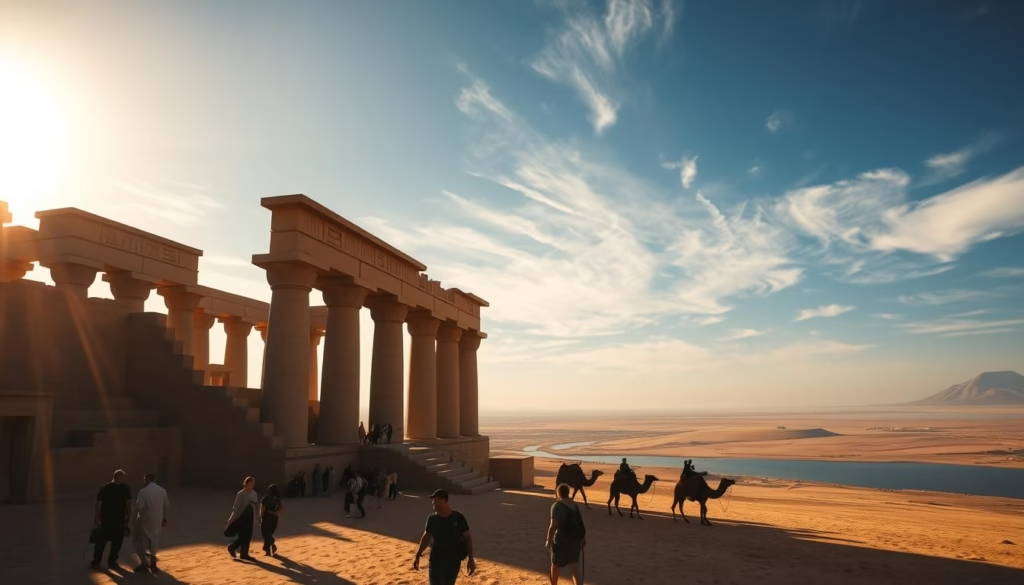
Luxor, ancient Thebes, stands as Egypt’s crown jewel of archaeology. Divided by the Nile into East and West Banks, this UNESCO site offers unparalleled access to 4,000 years of history.

Luxor - Top Attractions & Travel Guide
Luxor – Top Attractions & Travel Guide

Must-See Attractions

East Bank Highlights

  1. Karnak Temple Complex
    • Largest religious site ever built (constructed over 2,000 years)
    • Don’t miss: The Hypostyle Hall’s 134 massive columns
    • Evening sound & light show (2025 update: New projection technology)
  2. Luxor Temple
    • Stunningly illuminated at night
    • Connected to Karnak by the recently restored 3km Avenue of Sphinxes
Luxor - Top Attractions & Travel Guide
Luxor – Top Attractions & Travel Guide

West Bank Wonders

  1. Valley of the Kings
    • 63 royal tombs including Tutankhamun’s (KV62)
    • New for 2025: Limited-access tickets for Seti I’s tomb (KV17)
  2. Hatshepsut’s Temple
    • Striking terraced architecture against desert cliffs
    • Recently enhanced visitor center
  3. Medinet Habu
    • Ramses III’s exceptionally preserved mortuary temple
    • Vivid battle reliefs showing ancient naval warfare
  4. Valley of the Queens
    • Nefertari’s tomb (QV66) – “Sistine Chapel of Ancient Egypt”

Unique Experiences

  • Sunrise Hot Air Balloon Ride over West Bank monuments (Book through licensed operators only)
  • Nile Felucca Sunset Sail with views of Luxor’s skyline
  • Traditional Alabaster Workshops in West Bank villages
Luxor - Top Attractions & Travel Guide
Luxor – Top Attractions & Travel Guide

Practical Guide

Best Time to Visit

  • Prime Season: October-April (25-35°C)
  • Avoid: June-August (45°C+)

Getting Around

  • Taxis: Negotiate fares upfront (approx. 50-100 EGP within city)
  • Bicycles: Ideal for East Bank exploration (rentals ≈100 EGP/day)
  • Ferries: Cross Nile for 5 EGP (West Bank access)

Ticket Tips

  • Combined Tickets: Available for multiple sites (saves 20%)
  • Photography: Permits required in tombs (300 EGP for non-flash)

Where to Stay

  • Luxury: Sofitel Winter Palace (historic 1886 hotel)
  • Mid-range: Pavillon Winter (Nile-view rooms)
  • Budget: Bob Marley Peace Hotel (backpacker hub)

Day Trips

  • Dendera Temple (60km north) – Best-preserved ceiling zodiac
  • Abydos (160km north) – Cult center of Osiris

2025 Updates

  • New visitor center at Valley of the Kings
  • Ongoing restoration at Amenhotep III’s colossi
  • Enhanced night lighting at Karnak Temple